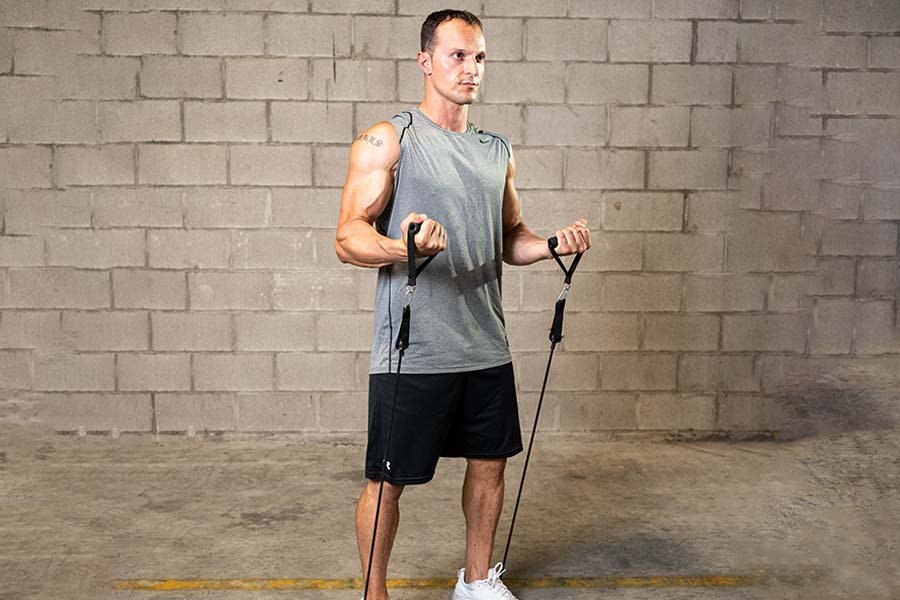
Full-body exercises are one of the most effective ways to build strength, improve mobility, and boost overall fitness—regardless of your experience level. By training multiple muscle groups at once, these exercises save time and help develop balanced, functional strength that supports everyday movement.
Why Full-Body Exercises Work for Everyone
Full-body workouts are highly adaptable. Beginners can start with basic movements, while more advanced individuals can increase resistance or complexity. Because these exercises engage multiple muscles at the same time, they promote coordination and burn more calories compared to isolated movements.
Another major advantage is efficiency. With full-body exercises, you can achieve meaningful results in shorter sessions, making them ideal for busy schedules.
Core Movement Patterns to Focus On
Most full-body exercises fall into a few key movement categories:
-
Push: Push-ups, overhead presses
-
Pull: Rows, assisted pull-ups
-
Squat: Bodyweight squats, sit-to-stands
-
Hinge: Hip hinges, glute bridges
-
Core stability: Planks, carries
Mastering these patterns builds a solid foundation for long-term fitness and reduces the risk of injury.
Using Resistance to Scale Difficulty
One of the reasons full-body exercises are accessible is how easily they can be modified. Resistance bands allow you to make movements easier or harder without changing the exercise itself.
Pull-up resistance bands are particularly useful for scaling pulling movements. They help beginners perform assisted pull-ups while still engaging the correct muscles. As strength improves, you can reduce assistance and gradually increase the challenge. Learning to pull up resist controlled tension improves strength through the entire range of motion.
Sample Full-Body Exercises for All Levels
Here are a few examples that work for nearly everyone:
-
Squats with or without band resistance
-
Push-ups performed on the floor, knees, or elevated surface
-
Band-assisted rows or pull-ups
-
Standing band presses
-
Planks or band-resisted dead bugs
Each exercise can be adjusted by changing tempo, repetitions, or resistance level.
How Often to Perform Full-Body Workouts
Most people benefit from full-body training two to four times per week. This frequency allows enough recovery while still providing consistent stimulus for strength and endurance gains. Start with shorter sessions and gradually build volume as your fitness improves.
Final Thoughts
Full-body exercises are a smart, sustainable approach to fitness at any level. By focusing on fundamental movements and using tools like pull-up resistance bands, anyone can train safely and effectively. With consistency and proper progression, your ability to pull up resist resistance and control your body will continue to improve over time.