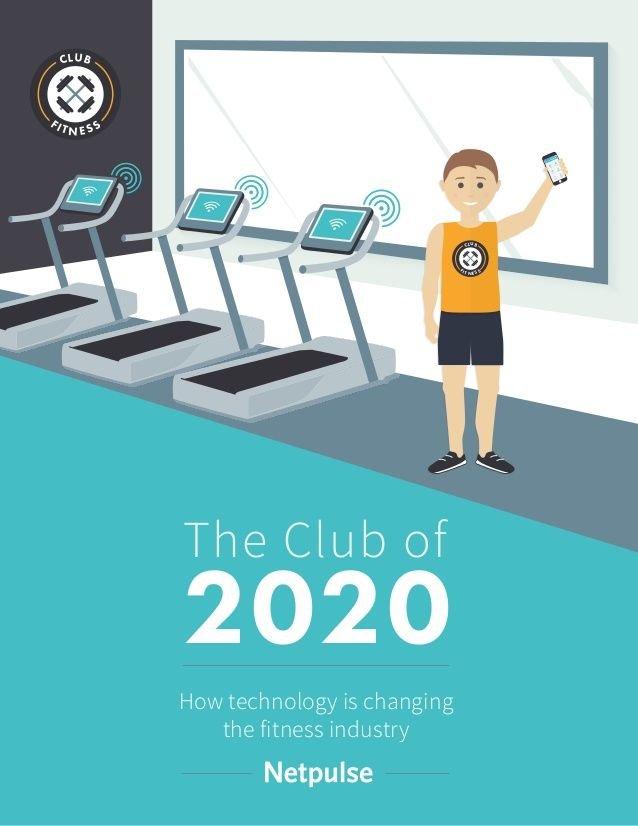
The intersection of wellness and technology continues to evolve, offering innovative solutions that redefine how we approach health and well-being. As 2025 unfolds, emerging trends in this space promise to enhance our quality of life while making wellness more accessible and personalized. This guide explores the most significant wellness and tech trends shaping the future and their potential impact on individuals and industries alike.
1. Personalized Wellness Through AI and Data
Artificial Intelligence (AI) and data analytics are revolutionizing how we approach wellness. Advanced algorithms now analyze individual habits, genetics, and preferences to deliver personalized health solutions.
Key Developments:
- AI-powered wearables monitor daily activity, stress levels, sleep patterns, and more. These devices now provide actionable insights tailored to individual needs rather than generic recommendations.
- Genetic testing companies such as 23andMe and emerging startups integrate AI to offer personalized diet and fitness plans based on DNA analysis.
Real-World Example:
Wellness apps like Calm and MyFitnessPal now use AI to adapt their recommendations over time, improving user outcomes by learning from individual progress.
User Benefit:
With hyper-personalized data, users can make informed decisions regarding diet, exercise, mental well-being, and overall health improvement.
2. Wearable Tech Revolutionizing Health Management
Wearable technology has grown from fitness tracking to comprehensive health monitoring. The year 2025 sees wearable devices becoming indispensable for proactive health management.
Key Features:
- Blood pressure monitoring, glucose tracking, and even ECG capabilities are now integrated into devices like smartwatches.
- Emerging wearables also track mental health indicators like stress, effectively prompting mindfulness activities when needed.
Emerging Trend:
Companies like Oura and Fitbit lead the way with ring-style wearables and advanced sensors, while tech giants such as Apple are embedding medical-grade sensors into everyday devices.
Market Insight:
A recent study indicates a projected 15% annual growth in wearable device adoption, reflecting their increasing role in healthcare.
3. Mental Health Tech on the Rise
Mental well-being remains a focal point in 2025 as the stigma surrounding mental health continues to decrease. Technology plays a pivotal role in providing effective and accessible solutions.
Latest Innovations:
- Virtual reality (VR) therapies offer immersive healing environments, aiding people with PTSD, anxiety, or phobias.
- AI chatbots, such as Woebot, provide immediate emotional support, while apps like Headspace prioritize mindfulness and meditation.
Supporting Data:
The global mental health technology market is expected to reach $21 billion by 2025, driven by heightened awareness and increasing access to therapy alternatives.
Impactful Result:
These solutions democratize mental health care, ensuring resources are available to people who might not otherwise have access to traditional therapy.
4. Smart Home Wellness Integration
Smart home systems are now empowering wellness right from the comfort of home. Devices and apps integrate seamlessly to create an environment conducive to health and well-being.
Smart Innovations:
- Air purifiers and humidifiers connect to smart assistants to maintain optimal indoor air quality.
- Smart lighting systems mimic natural light patterns, improving mood and sleep cycles.
- Refrigerators with health-focused AI suggest recipes based on available ingredients and nutritional requirements.
Example in Action:
Companies like Nest and Samsung are expanding their ecosystem to include wellness-focused products, such as temperature-controlled mattresses and circadian lighting.
Why It Matters:
These innovations transform homes into health hubs, enabling users to optimize their living spaces for sustained wellness.
5. Telehealth and Remote Monitoring Expansion
Telehealth has become a staple in healthcare delivery, allowing patients to receive care without stepping into a clinic. The scope of telemedicine expands even further in 2025 with advanced remote monitoring tools.
Trends to Watch:
- Integration of AI diagnostics enhances the accuracy and speed of disease detection during telehealth consultations.
- Wearable devices now transmit real-time health data to doctors, enabling personalized consultations and proactive interventions.
Industry Data:
According to the American Telemedicine Association, the telehealth sector will witness a 20% growth in 2025, driven by ongoing advancements in technology and greater acceptance among healthcare providers and patients.
The Bottom Line:
Remote care eliminates geographical barriers, improving healthcare access and outcomes for those in underserved areas.
6. Sustainability-Driven Wellness Products
Consumers in 2025 demand eco-conscious wellness solutions that prioritize sustainability alongside personal health.
Eco-Innovations:
- Biodegradable yoga mats and sustainably manufactured athletic wear reduce environmental impact while promoting fitness.
- Virtual fitness solutions, such as online workout programs, cut down on commuting-related carbon emissions.
Emerging Brands:
Startups focusing on plant-based nutrition, zero-waste packaging, and ethical sourcing are reshaping the wellness market.
Consumer Insight:
Accenture research reveals that 60% of wellness consumers are more likely to choose brands with a strong commitment to sustainability, underscoring the growing importance of eco-friendly practices.
7. Longevity Tech Gaining Traction
The quest for longer, healthier lives drives the growth of longevity tech in 2025. From anti-aging solutions to proactive health measures, technology is reshaping life expectancy.
Breakthrough Advances:
- AI predicts age-related diseases based on biomarkers, enabling earlier and more effective interventions.
- Regenerative medicine, supported by 3D bioprinting, offers hope for replacing damaged tissues and organs.
Leading Institutions:
Research groups like the Longevity Science Foundation invest heavily in extending human healthspan, ensuring we not only live longer but also maintain quality of life.
Long-Term Implications:
These innovations shift the focus from treatment to prevention, redefining how aging populations address health challenges.
8. The Role of Gamification in Wellness
Gamified experiences are fostering greater engagement in wellness programs, making healthy living more interactive and enjoyable.
Examples of Gamification:
- Fitness apps reward users with points or virtual badges for achieving goals, motivating continued progress.
- Virtual reality games promote physical activity, offering workouts disguised as interactive adventures.
Supporting Research:
Studies show that users engaged in gamified wellness programs are 30% more likely to achieve their health targets compared to traditional methods.
Consumer Takeaway:
Gamification builds a positive relationship with wellness activities, encouraging sustained participation.
Final Thoughts on 2025’s Wellness Tech Evolution
The fusion of wellness and technology creates opportunities that redefine how health is managed, supported, and enhanced. Trends like personalized AI-driven health solutions, smart home wellness devices, and sustainable practices not only prioritize individual needs but also contribute to global well-being. For those looking to stay ahead, 2025 invites you to explore these innovations and adopt the tools and solutions that resonate with your lifestyle.
Summary:
The future of wellness is here, shaped by technology and tailored to your unique needs. From wearable devices to mental health tech, these advancements empower smarter, healthier living.
Meta Information:
- Meta Title: Top Wellness and Tech Trends 2025 by TalkPosture
- Meta Description: Explore the leading wellness and tech trends of 2025, from smart wearables to sustainability, and revolutionize your approach to health.