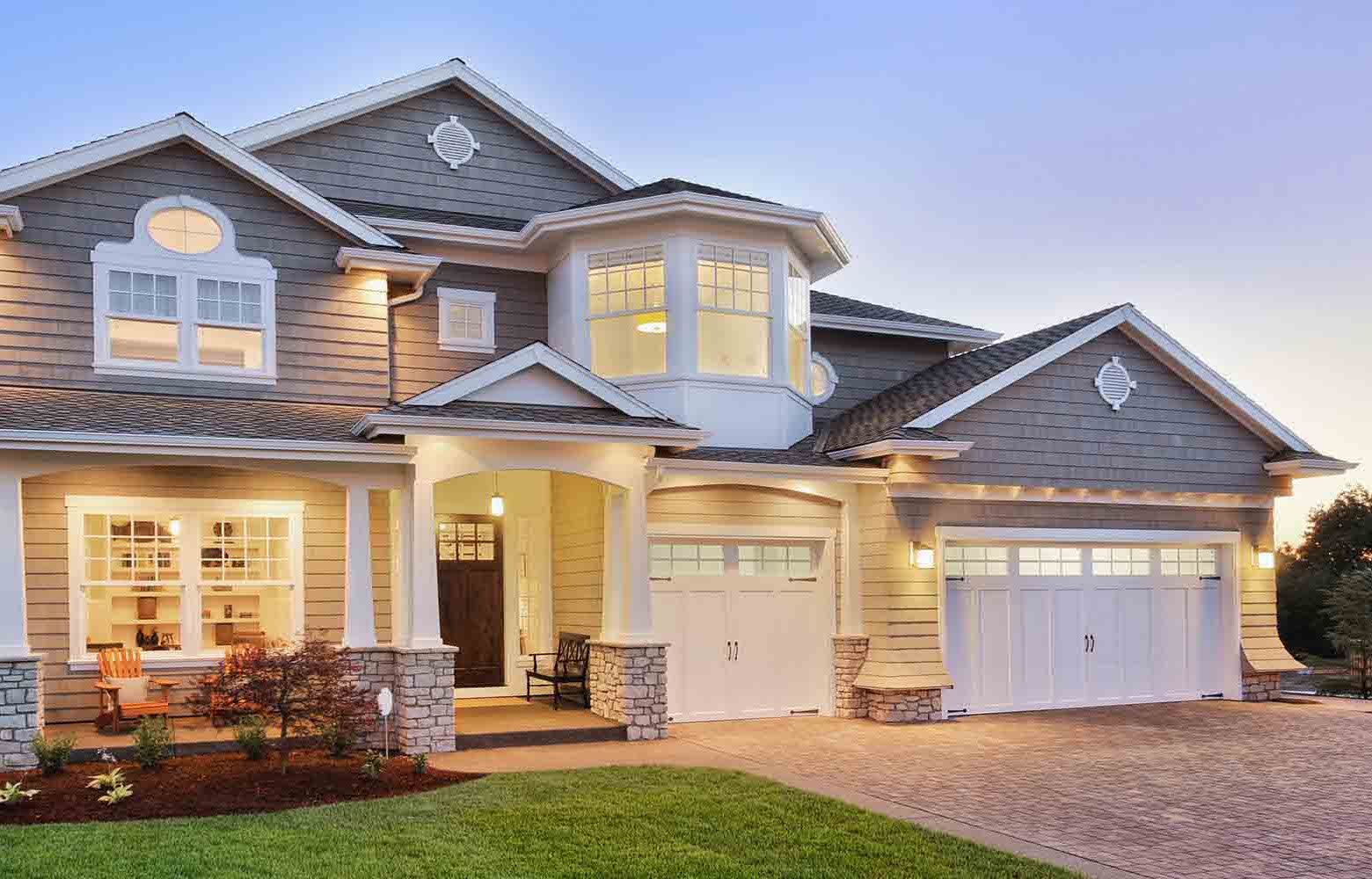
Embarking on a residential construction project is an exciting and rewarding venture, whether you’re building your first home or renovating an existing one. Residential construction allows you to create a space that is tailored to your unique needs, preferences, and lifestyle. However, the process can be complex and requires careful planning, coordination, and attention to detail. In this blog post, we will explore the key steps in residential construction, from the initial planning phase to the finishing touches. Let’s dive into what you need to know to make your dream home a reality.
What is Residential Construction?
Residential construction refers to the process of building, renovating, or expanding residential buildings, such as single-family homes, townhouses, or multi-family apartments. It involves various stages, including site preparation, design, building, and finishing, each requiring specialized skills and expertise. Whether you are constructing a new home or remodeling an existing one, residential construction allows you to create a space that suits your needs and preferences.
The key difference between residential construction and commercial construction is the scale and purpose of the building. Residential construction focuses on creating homes where individuals or families live, while commercial construction involves building properties for business or industrial purposes. Regardless of the scale, both types of construction require thorough planning, permits, and regulatory compliance to ensure the safety and quality of the final product.
The Process of Residential Construction: A Step-by-Step Guide
Building a home involves several crucial steps that ensure the project progresses smoothly. Here’s a breakdown of the typical process involved in residential construction:
1. Planning and Design
The first step in any residential construction project is the planning and design phase. This is where you, along with your architect and contractor, determine what you want your home to look like, how it will function, and how much you can afford to spend. During this phase, you’ll choose the style of your home, the layout, and the materials to be used. It’s also essential to consider the local climate, zoning regulations, and any environmental concerns that might impact the construction.
This phase also involves obtaining the necessary permits and approvals from local authorities. Depending on your location, this may include submitting your design to the local planning department, obtaining building permits, and ensuring that your plans meet safety codes and other regulatory requirements.
2. Site Preparation and Foundation
Once the design is finalized and the necessary permits are obtained, the construction process begins with site preparation. This involves clearing the land, leveling the ground, and preparing the foundation. The foundation is one of the most critical elements of residential construction, as it provides the structural support for the entire home.
There are various types of foundations, including slab foundations, crawl spaces, and full basements, each suitable for different types of soil and climate conditions. The foundation is typically poured in stages and must be allowed to set before the rest of the construction can proceed.
3. Framing and Structural Work
After the foundation is in place, the next phase is framing. This involves constructing the skeleton of the house, including the walls, roof, and floor structures. Framing typically uses wood or steel, depending on the design and location of the building.
During this phase, the home’s shape begins to take form, and you’ll start to see the outline of each room. The framing also includes the installation of windows and doors, as well as the basic plumbing, electrical, and HVAC systems. These systems are integrated into the structure to ensure that the home is functional and comfortable.
4. Roofing, Siding, and Exterior Work
Once the structure is framed, the next step is to install the roof and exterior siding. This protects the home from the elements and provides additional structural integrity. The choice of roofing and siding materials depends on the style of the home and local weather conditions. Asphalt shingles, metal roofing, and tile are all popular roofing options, while siding materials can include wood, vinyl, brick, or stone.
At this point, the home is usually “dried in,” meaning the exterior is fully enclosed and protected from the outside elements. This allows interior work to proceed without the risk of rain or wind damage.
5. Interior Work and Finishing Touches
With the exterior of the home complete, the focus shifts to the interior work. This includes the installation of insulation, drywall, flooring, cabinetry, and painting. The home’s interior layout starts to take shape as walls are painted, floors are installed, and the final touches are added to each room.
This phase also includes the installation of fixtures like lighting, plumbing, and appliances. In some cases, the home’s energy systems may be tested and adjusted to ensure that everything is running efficiently.
The Benefits of Custom Residential Construction
One of the key advantages of residential construction is the ability to build a custom home that meets your specific needs and desires. Unlike purchasing an existing home, which may require compromising on design or functionality, custom construction allows you to have full control over every aspect of the design process.
1. Personalization
Building a custom home allows you to choose everything from the floor plan and layout to the finishes and materials. This means you can create a space that truly reflects your personal style and lifestyle. Whether you want a large gourmet kitchen, a spacious master suite, or an energy-efficient home, custom construction offers endless possibilities.
2. Quality Control
When you build a custom home, you can ensure that the materials and craftsmanship meet your expectations. You have the ability to choose high-quality, durable materials that will last for years to come, which can result in a more energy-efficient and long-lasting home. Custom homes often feature better insulation, superior windows, and more advanced building techniques, making them a better investment in the long run.
3. Efficient Use of Space
Custom residential construction allows you to optimize every inch of your home’s layout. You can design spaces that are both functional and aesthetically pleasing. Whether it’s creating open-concept living areas, maximizing storage space, or adding extra rooms to suit your family’s needs, custom construction ensures that your home works for you.
Choosing the Right Contractor for Residential Construction
Selecting the right contractor is crucial to the success of any residential construction project. A skilled and reliable contractor will ensure that your vision is brought to life and that the project is completed on time and within budget. Here are some tips for choosing the best contractor for your project:
1. Do Your Research
Start by researching local contractors who specialize in residential construction. Look for companies with positive reviews, a strong portfolio of completed projects, and a reputation for delivering high-quality work. Check for licenses, insurance, and certifications to ensure that the contractor is fully qualified to handle the project.
2. Ask for References
Before hiring a contractor, ask for references from previous clients. Speaking with homeowners who have worked with the contractor can provide valuable insights into the quality of their work, their reliability, and their communication skills.
3. Get Multiple Quotes
It’s always a good idea to get quotes from several contractors to compare prices and services. However, keep in mind that the cheapest option may not always be the best. Focus on the contractor’s experience, reputation, and ability to meet deadlines, rather than just the price.
For reliable and experienced residential construction services, consider working with trusted professionals who are dedicated to delivering quality results on time and within budget.
Conclusion: Turning Your Dream Home into a Reality
In conclusion, residential construction offers an exciting opportunity to build a home that is tailored to your specific needs and preferences. From the initial planning phase to the final finishing touches, the process involves careful coordination, skilled craftsmanship, and attention to detail. Whether you’re designing a custom home from scratch or remodeling an existing one, working with the right team of professionals is key to ensuring the success of your project.
By following the right steps and partnering with experienced contractors, you can create a home that not only meets your expectations but exceeds them. The result is a beautiful, functional, and personalized living space that you’ll enjoy for years to come.