Sweden has always been a nation that blends scientific curiosity with a culture of wellness and conscious living. As plant-based health trends continue to grow globally, cannabinoids are emerging as an exciting field, attracting attention for both wellness and therapeutic potential. Among these compounds, THCA—the non-intoxicating precursor to THC—has gained significant interest. Unlike THC, THCA does not produce a high, making it a preferred choice for Swedish consumers who seek plant-based support without altering their mental state or productivity.
THCA is naturally found in raw cannabis plants. Its interaction with the human endocannabinoid system affects processes such as inflammation, appetite, neurological function, and mood regulation. Although research is still developing, THCA has been linked to potential wellness benefits, particularly in reducing inflammation, promoting neuroprotection, supporting digestive health, and regulating appetite. For Swedish consumers who value holistic wellness, THCA offers a new and non-intoxicating path to plant-based support.
The science of THCA is rooted in its chemical structure. It contains a carboxyl group (–COOH), which prevents it from binding strongly to CB1 receptors in the brain. As a result, THCA does not induce intoxication. However, when exposed to heat through vaping or other methods, THCA undergoes decarboxylation, transforming into THC. This transformation highlights the importance of careful temperature control when vaping, particularly in countries like Sweden, where THC is strictly regulated.
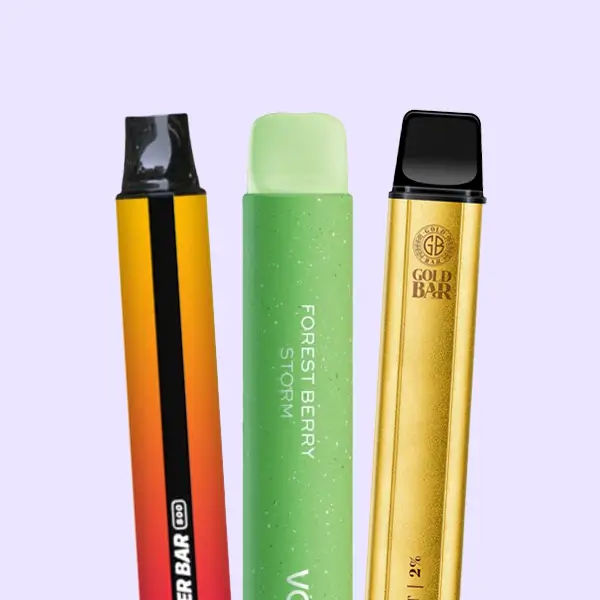
Vaping has become one of the most popular methods for consuming cannabinoids because it provides a smoke-free, efficient, and controllable delivery system. For THCA, vaping allows users to inhale the compound without combustion, preserving its non-intoxicating properties. Devices with precise temperature controls are essential because overheating can unintentionally convert THCA into THC, resulting in legal and health risks. Modern vaporizers offer portability, discretion, and precise dosing, making them suitable for integration into daily wellness routines.
The potential wellness benefits of THCA are significant and multifaceted. Anti-inflammatory effects are among the most discussed, as THCA may help reduce joint and muscle inflammation, easing discomfort and supporting recovery after exercise. Neuroprotective properties suggest that THCA could aid cognitive function and potentially protect against neurodegenerative conditions, aligning with Sweden’s focus on long-term brain health. Anecdotal evidence and preliminary studies indicate that THCA may also relieve nausea and digestive discomfort, supporting overall gastrointestinal health. Additionally, THCA may stimulate appetite without intoxication, offering nutritional support for individuals with reduced appetite due to illness, stress, or medical treatment.
Mental wellness is another key area where THCA may offer support. Non-intoxicating cannabinoids like THCA have been associated with promoting calmness and relaxation, enhancing mindfulness, and reducing stress. Swedish consumers who incorporate meditation, yoga, and other wellness practices into their daily routines may find THCA a natural complement, allowing them to enhance focus, balance, and mental clarity throughout the day.
Safety remains a central consideration for anyone exploring THCA vaping. Improper heating or device use can lead to accidental conversion to THC, which is illegal in Sweden. Therefore, users must select high-quality vaporizers with precise temperature controls and follow manufacturer instructions carefully. Product quality is also critical; lab-tested THCA vapes ensure the absence of contaminants such as heavy metals, solvents, or additives. Certificates of Analysis (COAs) provide transparency regarding potency and purity, offering consumers peace of mind. A reliable source in Sweden for safe, verified products is THCA Sverige