Introduction
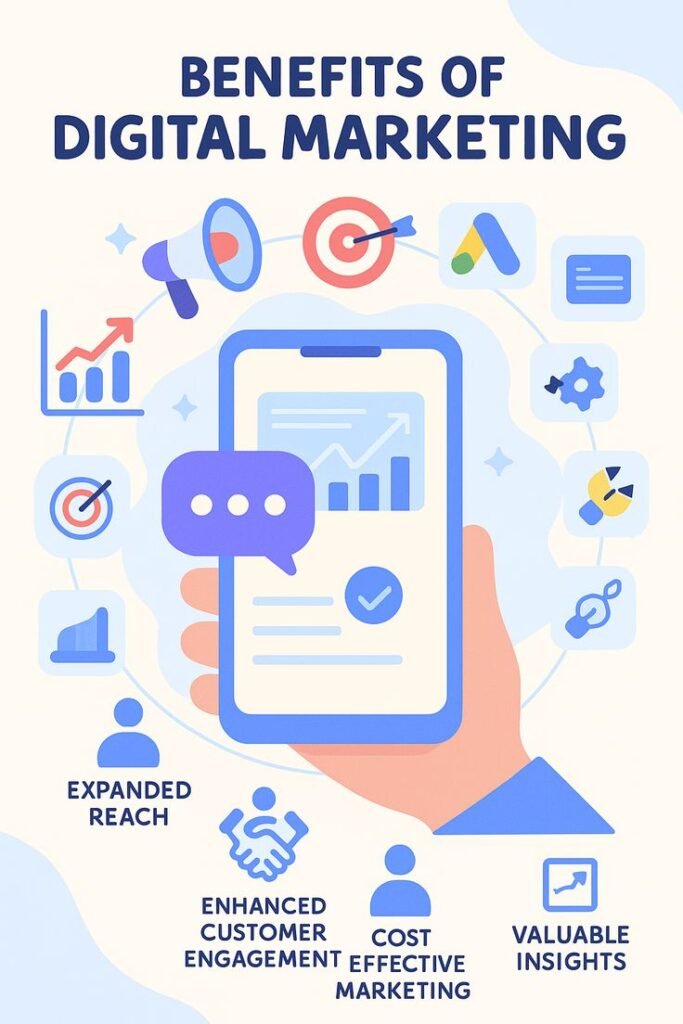
In today’s competitive business landscape, marketing has become an intricate blend of creativity, data-driven strategies, and constant adaptation. It is not just about promoting products or services but about creating genuine connections with audiences, building trust, and delivering value in a way that resonates deeply. The shift from traditional marketing to digital-first approaches has disrupted the industry, introducing innovative techniques that provide unique opportunities for brands to engage with their customers.
This article explores the evolving nature of marketing, delving into the strategies that businesses are leveraging to stay ahead of the curve. It covers key trends, innovative techniques, and essential insights that can guide marketers in navigating this fast-paced environment.
The Shift to Data-Driven Marketing
One of the most significant changes in marketing in recent years has been the shift towards data-driven decision-making. Gone are the days when marketing was primarily based on gut feeling or assumptions about consumer behavior. Today, marketing strategies are built on a foundation of hard data, gathered through a variety of tools and platforms.
From customer behavior to engagement metrics, data provides marketers with real-time insights into what works and what doesn’t. By analyzing user interactions, marketers can understand their audience on a deeper level, enabling them to craft personalized messages, recommend relevant products, and create experiences that feel tailor-made for each individual.
Opportunities:
-
Better Targeting: Data-driven marketing enables marketers to segment their audience more effectively and target them with personalized messages, improving the chances of conversion.
-
Improved ROI: By understanding customer behavior and preferences, marketers can allocate resources to the most effective channels, ensuring a higher return on investment.
Challenges:
-
Data Privacy Concerns: The collection and use of customer data raise privacy issues, and marketers must be cautious to comply with regulations like GDPR.
-
Data Overload: With vast amounts of data at their disposal, marketers may struggle to extract meaningful insights and act on them efficiently.
Content Marketing: The Power of Storytelling
Content marketing has emerged as a core pillar of any successful marketing strategy. Rather than relying on hard-sell tactics, content marketing focuses on creating valuable, relevant, and informative content that resonates with the audience. This could range from blog posts, videos, and infographics to podcasts, ebooks, and webinars.
Storytelling is at the heart of effective content marketing. Brands are no longer just selling a product—they’re telling a story that connects emotionally with consumers. Whether it’s through user-generated content, behind-the-scenes glimpses, or value-driven content, storytelling allows businesses to showcase their values, personality, and expertise in a way that builds trust and loyalty.
Opportunities:
-
Brand Loyalty: By consistently offering content that resonates with audiences, brands can build long-term relationships with their customers.
-
Engagement: Quality content sparks conversations, encourages shares, and fosters engagement, helping brands amplify their reach.
Challenges:
-
Consistency: Maintaining a steady stream of high-quality content can be resource-intensive, especially for smaller businesses with limited budgets.
-
Measuring Effectiveness: Unlike traditional marketing efforts, the effectiveness of content marketing is sometimes harder to measure in tangible outcomes, making it challenging to assess ROI.
Social Media: Navigating a Complex Landscape
Social media has become an essential tool for marketers, offering both challenges and opportunities. With platforms like Instagram, Facebook, LinkedIn, and TikTok commanding massive user bases, businesses have a unique opportunity to connect with their target audience in real-time. However, as social media evolves, so do its challenges.
The key to effective social media marketing lies in understanding the specific dynamics of each platform and tailoring content accordingly. While Instagram thrives on visual storytelling, LinkedIn is better suited for thought leadership and B2B content. Platforms like TikTok have introduced a new dimension to social media, with short, engaging videos becoming a dominant form of communication.
Opportunities:
-
Direct Engagement: Social media allows brands to engage with their customers directly, responding to queries, participating in conversations, and building relationships.
-
Viral Potential: Social media content has the potential to go viral, giving businesses a chance to reach millions with minimal effort.
Challenges:
-
Algorithm Changes: Social media platforms are constantly tweaking their algorithms, which can impact organic reach and visibility for brands.
-
Content Saturation: With so much content being published every day, standing out and capturing the audience’s attention can be a significant challenge.
Influencer Marketing: Trust and Authenticity in the Digital Age
Influencer marketing has exploded in popularity over the past few years, especially as social media platforms have continued to evolve. Influencers—individuals with large, engaged followings—have become trusted voices in many industries, and brands are tapping into their influence to reach new audiences.
Influencer marketing allows businesses to connect with a highly targeted group of followers, using an authentic voice that resonates more than traditional ads. Rather than relying on the brand’s message, influencers present products or services in a relatable, organic way, which can build trust and drive engagement.
Opportunities:
-
Authentic Engagement: Partnering with influencers allows brands to reach audiences with content that feels more genuine and trustworthy than traditional advertisements.
-
Access to Niche Audiences: Influencers often cater to niche groups, which gives brands the ability to tap into specialized markets and reach highly engaged communities.
Challenges:
-
Maintaining Authenticity: As influencer marketing grows, there’s a risk that audiences may become fatigued by overly commercialized content. Ensuring authenticity is key to maintaining trust.
-
Measuring Impact: Tracking the ROI of influencer marketing can be challenging, especially if the partnership is more about brand awareness than direct sales.
Search Engine Optimization (SEO): Visibility in the Digital World
SEO continues to be a critical component of any digital marketing strategy. Search engines are often the starting point for consumers searching for products, services, or information online. By optimizing a website for search engines, businesses can increase their visibility, attract more organic traffic, and ultimately drive sales.
Effective SEO involves a variety of factors, including keyword research, on-page optimization, link building, and technical SEO. The goal is to ensure that a website ranks high for relevant search terms, driving more qualified traffic to the site.
Opportunities:
-
Organic Traffic: A well-executed SEO strategy brings long-term, sustainable traffic to a website, reducing the reliance on paid advertising.
-
Credibility and Trust: High search rankings often equate to greater credibility in the eyes of consumers, as they perceive top-ranking websites as more authoritative.
Challenges:
-
Constant Algorithm Changes: Search engine algorithms are continuously updated, meaning that SEO strategies need to be agile and adapt to these changes.
-
Competitive Landscape: As more businesses invest in SEO, it becomes increasingly difficult to rank for competitive keywords, requiring ongoing effort and resources.
Marketing Automation: Efficiency and Scalability
Marketing automation is one of the most powerful tools available to modern marketers. By automating repetitive tasks, businesses can save time, reduce errors, and focus their efforts on high-level strategy. Automation tools can manage everything from email marketing campaigns to social media scheduling and customer segmentation.
With marketing automation, businesses can send personalized messages to customers at the right time, based on their behaviors and preferences. This leads to higher engagement rates, better customer experiences, and improved overall marketing performance.
Opportunities:
-
Increased Efficiency: Automation allows marketers to execute campaigns at scale without losing personal touch.
-
Better Customer Journey: By automating personalized content delivery, businesses can nurture leads more effectively and drive conversions.
Challenges:
-
Integration Complexity: Implementing marketing automation tools can be complex, especially for businesses with legacy systems or limited technical resources.
-
Over-Reliance on Automation: While automation is useful, it can lead to a loss of human connection if not carefully balanced with genuine engagement.
The Future of Marketing: What Lies Ahead?
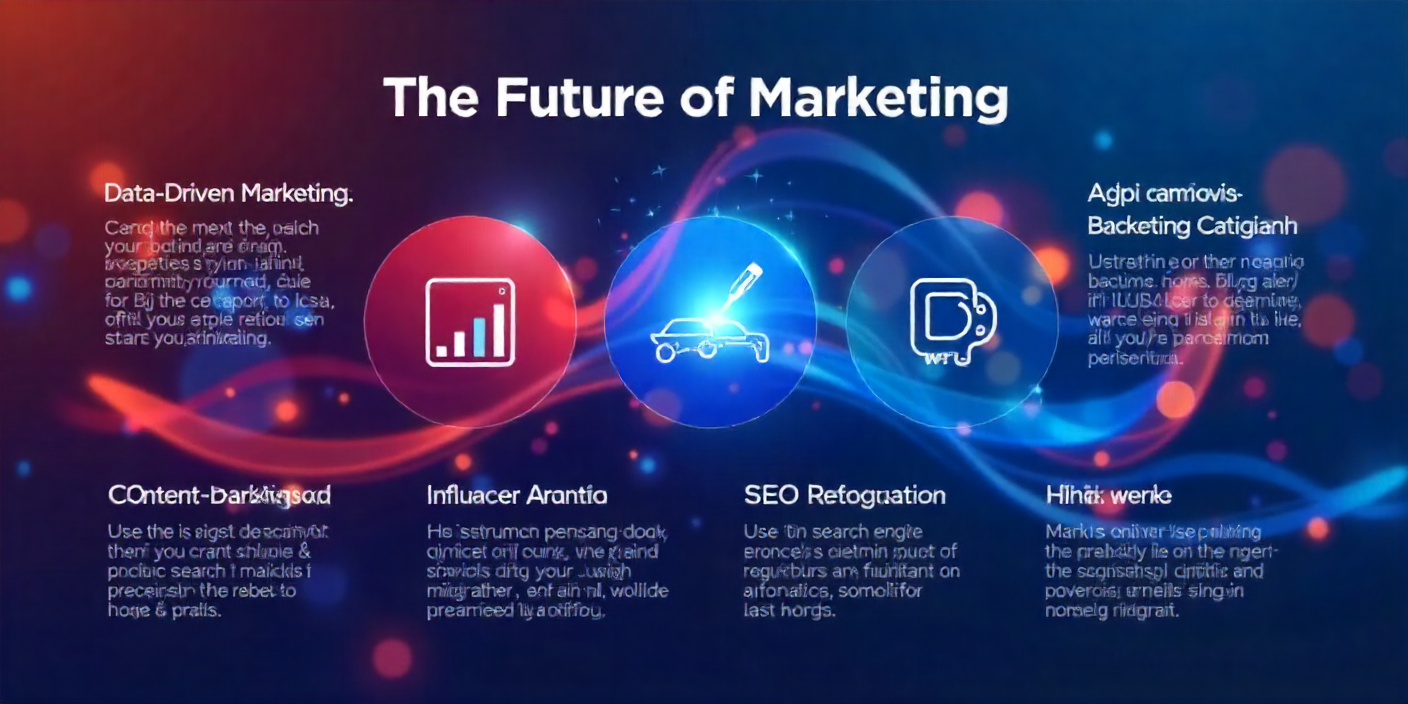
The marketing world is constantly changing, and keeping up with the latest trends and innovations is essential for success. As technology continues to evolve, so will the strategies used to engage with customers. Key trends to watch include the rise of artificial intelligence, voice search, augmented reality, and even more personalized marketing experiences. These innovations will make marketing more efficient, customer-centric, and data-driven.
Opportunities:
-
Innovation and Creativity: New technologies present opportunities for brands to differentiate themselves and create more engaging, impactful campaigns.
-
Deeper Connections with Consumers: As marketing becomes more personalized, brands can forge deeper, more meaningful connections with their audiences.
Challenges:
-
Keeping Pace with Change: The rapid pace of technological innovation means that marketers must remain agile and willing to experiment with new tools and approaches.
-
Customer Expectations: As marketing becomes more personalized, consumers will expect increasingly tailored experiences, making it harder for businesses to meet these demands.
Conclusion
Marketing is no longer just about selling—it’s about building relationships, delivering value, and engaging with audiences in meaningful ways. By embracing data-driven strategies, focusing on content, leveraging social media and influencers, and embracing new technologies, businesses can stay ahead of the curve and thrive in the ever-evolving marketing landscape. The future of marketing is bright, but it requires continuous learning, adaptability, and creativity to succeed.